
A few years ago, my neighbor bought a cheap plot of land. It looked perfect. But the local county office gave him bad news. He could not put his mobile home there. The local rules banned it. That one mistake ruined his plans. It delayed his move for months and cost him a lot of extra money.
You must check the zoning laws for mobile homes before you buy land. These homes are everywhere in the US. But every town, city, and county makes its own rules.
If you’re looking for land in North Carolina, make sure to check the local laws before you sign any paperwork. It will save you from major stress, wasted time, and lost cash.
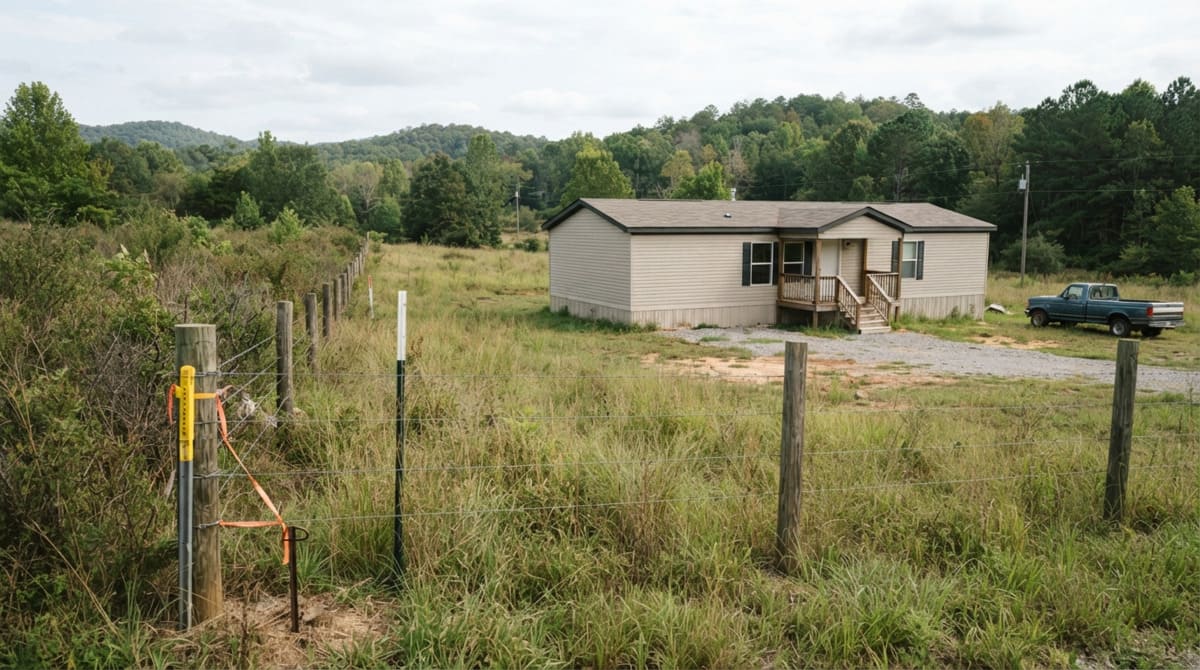
What Are Zoning Laws for Mobile Homes and Why Do They Matter?
Zoning rules control how you use your land. They decide if you can build a house, open a shop, or start a farm. They also decide if a mobile home is allowed on the property.
Skipping this check is a massive mistake. A cheap piece of land looks great at first. But it gets very expensive if you cannot legally live there.
How Zoning Rules Affect Mobile Home Placement
Most zoning ordinances cover more than just the home itself. They often regulate:
- Minimum lot size
- Property setbacks from roads and neighbors
- Home dimensions
- Utility connections
- Foundation requirements
- Road access
- Floodplain restrictions
Some counties are very flexible, while others have stricter residential standards.
Mobile Home vs Manufactured Home Rules
Many people call every factory house a mobile home. But local towns distinguish the old from the new.
They apply completely different rules to older mobile homes and newer manufactured homes.
Home Type | Built Before / After | Typical Zoning Acceptance |
Mobile Home | Before June 15, 1976 | More restrictions in many areas |
Manufactured Home | After June 15, 1976 (HUD Code) | Accepted in more residential zones |
North Carolina Zoning Laws for Mobile Homes
No single rule covers North Carolina. Not one. Every town and county makes its own land. Because of that, a plot down the street might have totally different laws than yours.
Do not buy blindly. Call the local planning office first. Drop in or call, and ask plain and simple: “What can I actually build here?”
Residential Zoning Requirements in North Carolina
Most residential areas allow manufactured homes if they meet local standards.
Common requirements include:
- Permanent foundation (in many residential districts)
- HUD certification label
- Minimum home size requirements
- Proper septic or sewer approval
- Utility connections that meet local codes
- Building and installation permits
Some neighborhoods have extra rules. These are called deed restrictions or HOA rules. They can ban manufactured homes completely. This can happen even if the county says the land is perfectly fine.
Navigating local overlay zones and boundary setback rules protects your property setup from future city citation penalties.
If local ordinances are too restrictive for a cash land purchase, you can look for paths where land is already zoned by viewing our guide on rent to own mobile homes NC: step-by-step buyer’s guide.
Agricultural (AG) Zoned Land in NC
Agricultural land is often one of the easiest places to install a manufactured home.
Many rural buyers choose AG-zoned property because it usually offers:
- Larger lots
- Fewer neighborhood restrictions
- Better privacy
- Room for barns, workshops, or small farms
However, permits are still required, and septic approval is usually one of the first steps.
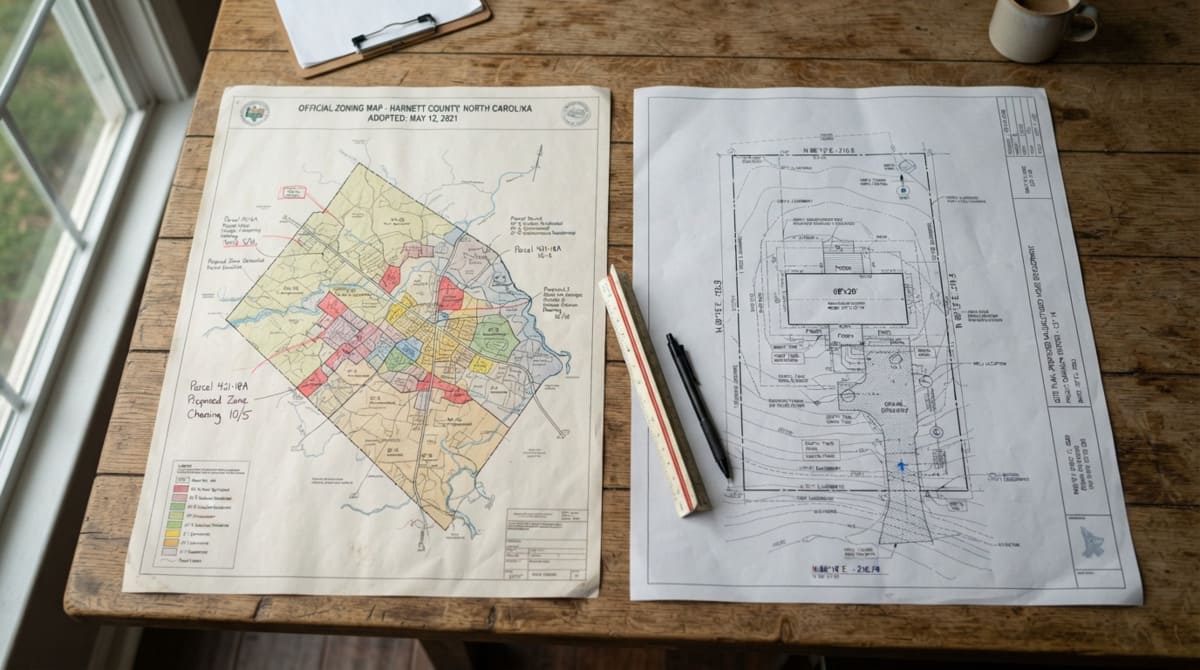
North Carolina Counties With Different Mobile Home Zoning Rules
While every county adheres to North Carolina building standards, local zoning rules vary wildly.
Wake County Mobile Home Requirements
Wake County and Raleigh push tight rules. Fast growth caused this. Buyers face tough checks here.
Expect deep reviews on lot size, setbacks, utilities, and allowed residential zones. You will not get approved easily.
Mecklenburg County and Charlotte Area
Land near Charlotte shrinks fast every year. Manufactured homes fit in only a few spots.
Zoning feels way tighter here than in the country. Because of this, buyers skip the city limits. They grab rural plots where the rules cause fewer headaches.
Rural Counties Often Offer More Flexibility
Johnston, Nash, Cleveland, and Robeson counties have tons of space. Land there fits manufactured homes easily.
You still need permits and inspections. But buyers get a break. These areas have way fewer zoning traps than big cities.
NC Land Requirements Before Installing a Mobile Home
Once you’ve confirmed the zoning, don’t assume the land is automatically ready. I’ve seen buyers focus only on the purchase price and overlook site requirements that affect both cost and approval.
Check Septic, Utilities, and Road Access First
Before closing on a property, make sure you verify:
- Septic permit or soil suitability if public sewer isn’t available.
- Water source, such as a public connection or a private well.
- Electric service availability.
- Legal driveway or road access.
- Whether the land is in a flood zone.
These checks are much easier before you buy than after.
Local Permits and Inspections Matter
Counties in North Carolina will not let you just set up a home. You need permits first. No exceptions.
Depending on the spot, inspectors will show up to check your foundation, wires, pipes, and septic tank. You cannot legally move in until they pass your setup.
Local land administration boards strictly regulate code overlays and agricultural parcels to manage public infrastructure constraints.
Review localized land-use frameworks and development maps on the American Planning Association Zoning and Local Land Resource Library.
Common Zoning Mistakes That Cost Buyers Money
Planning right saves you from massive headaches. Many people skip it.
Assuming Every Piece of Land Allows Mobile Homes
A trailer down the street means nothing. Do not assume your lot has the same rules. It might not.
Call the county planning office to check your exact dirt.
Ignoring HOA or Deed Restrictions
Neighborhoods in Cary, Apex, and Wilmington hide secret bans. They use private contracts to block manufactured homes.
They do this even if the county says the land is totally fine.
Buying Without Visiting the County Office
Go to the local office. Or call them up. A five-minute chat clears up rules for pipes, lot sizes, and boundaries.
Do it now to avoid burning your cash later.
Frequently Asked Questions
Can I put a mobile home on any land in North Carolina?
Absolutely not. Your dirt must pass local rules. It needs the right permits. It must meet strict water and power setup laws set by your specific town or county.
Which North Carolina counties are generally more mobile home friendly?
County spots offer the easiest path. Johnston, Robeson, Nash, and Cleveland counties give buyers way more slack than packed cities. Still, never guess. Double-check their rulebooks first.
Do older mobile homes have different zoning rules?
Yes, they do. Houses built before the big 1976 HUD law face massive roadblocks. Many towns ban them from standard neighborhoods completely.
Can an HOA stop me from placing a manufactured home?
Yes. They hold serious power. A neighborhood group or deed restriction can block your build instantly. They can do this even if the county gives you the green light.
Who should I contact before buying land?
Call the county planning team immediately. They hold the keys. They will tell you about boundaries, permits, and whether your home can legally sit on that dirt.
Knowing zoning laws for mobile homes before you buy land prevents massive money drains and bad surprises. North Carolina counties run on their own unique rulebooks. Never trust an online ad or guess the rules.
Check the dirt yourself. Double-check the zoning classification, verify utility access, dig into permit requirements, and look for sneaky private bans before signing any contracts.
Do your homework right now. It saves you from total disaster later. Taking a moment to read up on local land rules puts you in complete control.
You can pick the right spot and move into your manufactured home without any stress hanging over your head.