
Buying a mobile home is exciting, but finding the land for mobile home placement is where many buyers run into problems.
I learned this after helping a friend search for land in North Carolina. We almost lost thousands. We found a cheap plot of land that looked like a dream. But right before signing, we found out it banned manufactured homes.
Buying a mobile home in North Carolina means finding the right land first. The home itself matters, but the dirt under it matters just as much.
This quick guide covers the proper steps to keep your money safe.
Step 1: Know What Type of Land for Mobile Home You Actually Need
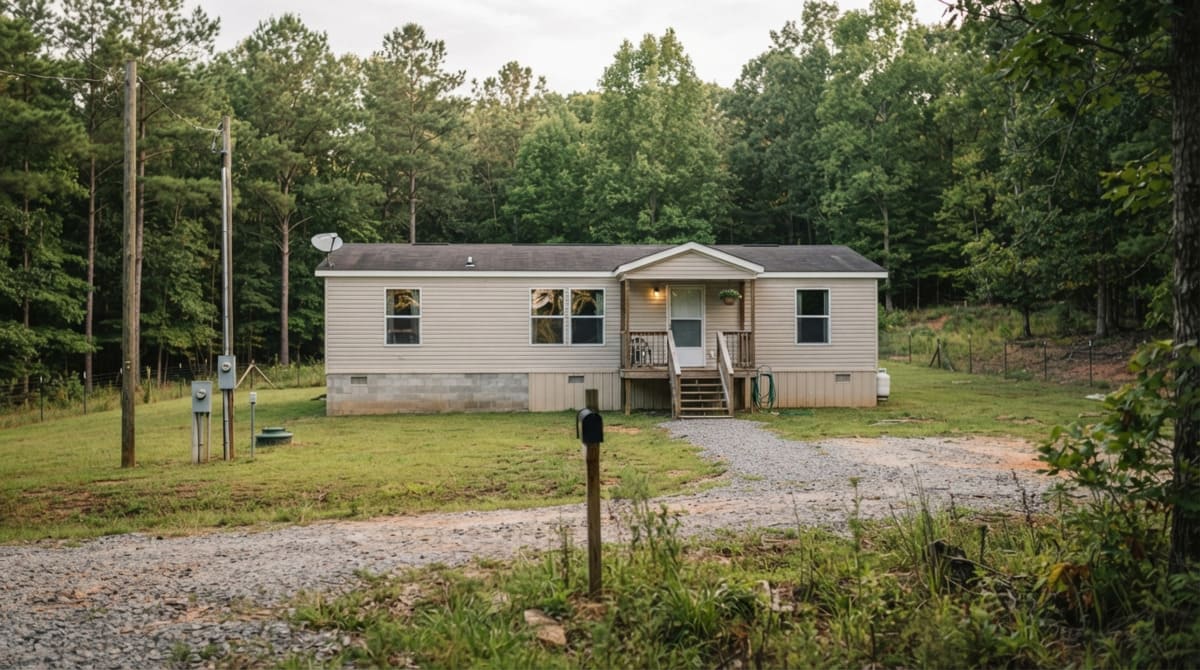
Not every piece of land is ready for a manufactured home. Before looking at prices, decide what type of property fits your plans.
Raw Land vs. Ready-to-Build Land
Raw land costs less upfront. But you will spend cash later. Trees need cutting. The land needs grading. You must buy permits and set up utilities.
Ready-to-build land costs more today. Even so, it saves you money over time. Water, electricity, and road access might already exist.
Buying prepared land prevents huge, unexpected expenses later.
Check Local Zoning Before Making an Offer
This is the step many first-time buyers skip.
Every county has zoning rules that decide whether manufactured homes are allowed. Call the local planning office before signing anything.
You must confirm the property’s zoning first. This protects your cash.
Securing acreage with existing utility hookups significantly lowers your initial property development outlays.
However, before finalizing any land tract deal, you must cross-reference boundary constraints outlined in our guide to zoning laws for mobile homes: NC land requirements & rules.
For example:
- Johnston County has many rural areas where manufactured homes are common.
- Onslow County offers good options for military families, but zoning varies by location.
- Wake County has stricter development rules, making available land harder to find.
Feature | Raw Land | Ready-to-Build Land |
Purchase Price | Lower | Higher |
Utility Installation | Usually Needed | Often Available |
Move-In Time | Longer | Faster |
Upfront Costs | Higher Overall | More Predictable |
Step 2: Check Utilities Before You Buy the Land
Cheap land can quickly become expensive if basic utilities are missing.
Water, Septic, and Electric Matter More Than Price
One listing I looked at seemed like an amazing deal until I found out it needed a new well and septic system. Those two items alone added thousands of dollars to the project.
Before buying, ask about:
- Public water or private well
- Existing septic system or septic permit
- Electrical connection
- Internet availability
- Road access
These questions may seem simple, but they can save months of delays.
Understand Perc Tests in Rural North Carolina
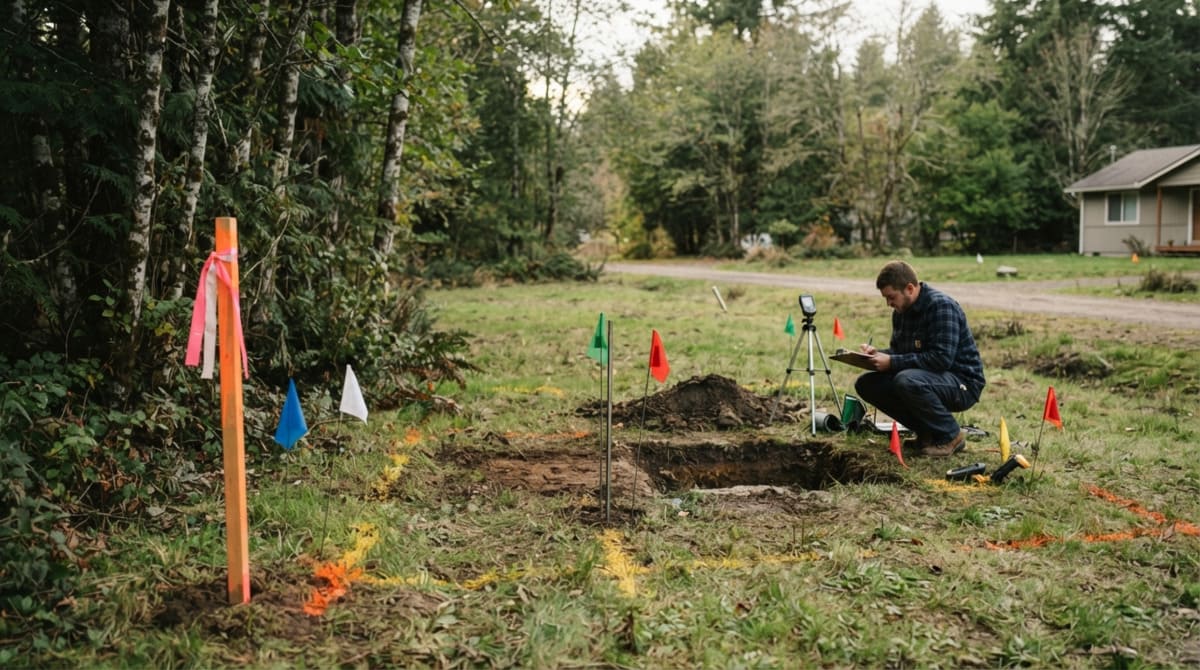
Many rural properties require a successful perc test before installing a septic system.
Some spots require extra homework. Areas in Brunswick County, Sampson County, and parts of Duplin County often depend on private septic systems.
Because of this, confirming soil suitability should be one of your first checks.
Do not buy blind. If the land fails the test, things get messy. Placing a mobile home may become difficult or way more expensive.
Step 3: Compare the Best NC Areas for Mobile Home Land
Where you choose to live changes everything. Location affects more than your commute. You have to think about how it also influences land prices, permits, future resale value, and available utilities.
Some spots save you massive amounts of cash upfront. Let us dive into the best deals across the state right now.
Affordable Rural Counties Worth Considering
Many buyers looking for affordable land for mobile homes start in rural counties because larger lots are easier to find.
Some popular choices include:
- Johnston County for commuters working near Raleigh.
- Robeson County for lower land prices.
- Columbus County for larger rural parcels.
- Bladen County for buyers wanting quiet country living.
Rules change the second you cross county lines. Each area has different zoning and permit requirements. Because of this, you should always verify local regulations before purchasing.
Never assume the rules are the same everywhere.
Step 4: Budget for More Than Just the Land
Do not look only at the price tag. Many first-time buyers focus only on the purchase price, but the land is just one piece of the project. You need to see the total cost.
Before making an offer, I always recommend creating a complete budget. This simple step keeps your bank account safe.
Hidden Costs That Surprise First-Time Buyers
Besides buying the land for the mobile home, you may also need to pay for:
- Land survey
- Permit fees
- Site clearing and grading
- Driveway installation
- Utility hookups
- Foundation or anchoring
- Closing costs
Planning for these expenses early helps prevent delays once your mobile home is ready to be delivered.
Verifying baseline property deeds, soil tests, and environmental restrictions prevents buyers from acquiring unbuildable land tracts.
Study general land title protections and property acquisition standards from the Lincoln Institute of Land Policy Resource Center.
Step 5: Inspect Everything Before Closing the Deal
Slow down once you find the perfect lot. Do not rush to sign the paperwork just yet. You need to verify everything one last time.
Taking an extra day or two can save you from a massive financial mistake. Run through this quick list before you hand over your hard-earned money.
A Simple Final Checklist Before Buying
Walk the property one more time and confirm:
- Property boundaries match the survey
- Utilities are available as promised
- The land isn’t in a flood-prone area
- Road access is legal and maintained
- Local zoning still allows your manufactured home
Do not rush the final steps. Taking one extra afternoon to verify these details can save months of frustration later. It keeps your mobile home project moving forward without any stressful roadblocks.
Excitement ruins your judgment. I’ve seen buyers get excited about a low price. They completely overlook the details that matter most. People jump too fast.
Try to avoid these common mistakes before you hand over any money.
- Buying land before checking zoning rules
- Forgetting to verify utility availability
- Skipping a perc test when a septic system is needed
- Underestimating site preparation costs
- Choosing a location without considering future resale value
Do the homework now. Check everything out today. A little research can save you thousands of dollars tomorrow. It ensures your mobile home project starts on solid ground.
Frequently Asked Questions
Can I place a mobile home on any land in North Carolina?
No. Lots of plots will not work. Your dirt has to pass local town laws first. Plenty of areas won’t let you bring a manufactured home into the neighborhood at all.
How much land do I need for a mobile home?
Every lot is different. Most folks grab an acre or more. Still, your exact lot size depends on local county laws, property lines, and septic tank space.
What is the cheapest county to buy land for a mobile home in NC?
Prices move around fast. Right now, places like Robeson, Columbus, Bladen, and Sampson are way cheaper. They cost way less than the booming city areas.
Do I need utilities before moving my mobile home?
Yes. Do not wait around on this. You need to map out your water lines, power poles, and septic tanks way before the delivery truck shows up.
Should I buy land first or the mobile home first?
Grab the dirt first. Buying your land beforehand makes your financing, permits, and final delivery go much smoother.
Do not just chase the cheapest price tag. Finding the right land for a mobile home isn’t just about getting the lowest price. Your property must match your wallet. It also has to pass North Carolina regulations and match your future layout goals.
Check your facts before buying anything. Make sure to verify zoning rules right away. Take time to inspect utilities on the lot. You also must budget for site preparation properly.
Doing this keeps you safe from the huge money traps that hurt rookie buyers. A small amount of prep work right now means you get to enjoy your mobile home with zero stress later on.