
Complete Guide for Homeowners
Buying land in North Carolina and planning to build a home sounds exciting until you reach the part many homeowners don’t think about early enough, wastewater management.
I’ve seen many people focus on the house design, driveway, and landscaping, then get surprised when they learn how much planning a septic system actually requires.
The Cost to Install Septic System lots can be categorized based on your soil, size of the system, type of equipment, permits, and local county requirements.
In North Carolina, septic installation is especially important because many rural homes are not connected to municipal sewer lines, which means your septic system will be one of the most important parts of your property.
From choosing the right system to avoiding costly mistakes, knowing the actual costs before you start can save you thousands of dollars.
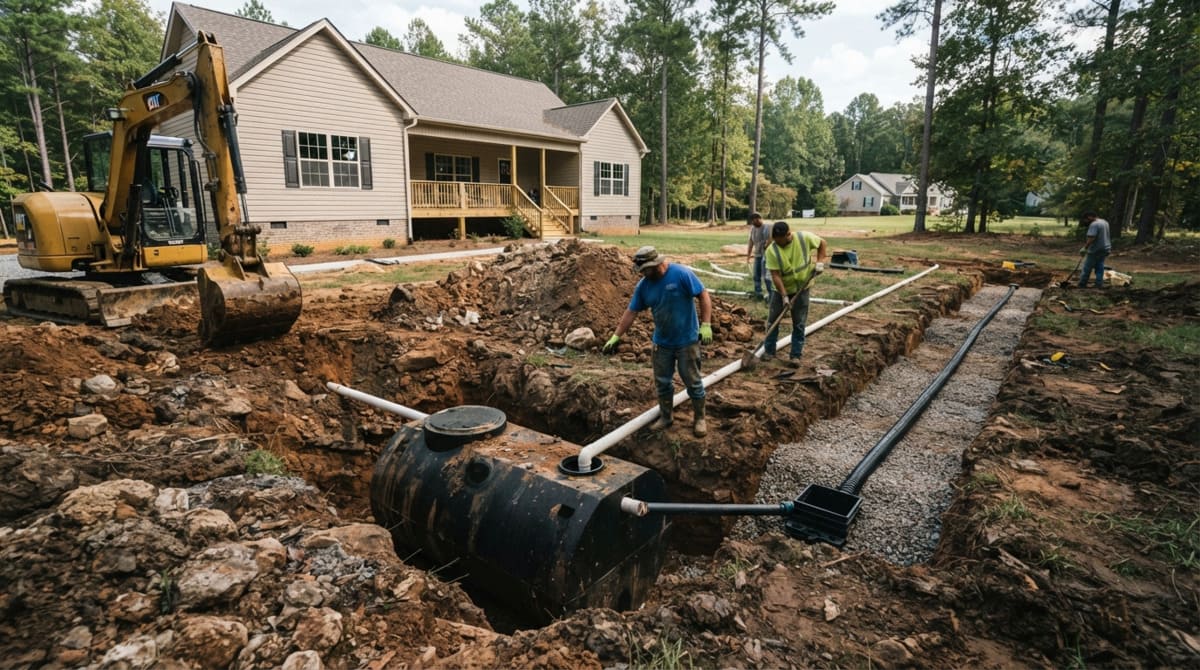
Average Cost to Install Septic System in North Carolina
The average cost to install a septic system in North Carolina is generally around $5,000 to $15,000 but certain properties may cost a little extra depending on site conditions.
A simple septic tank and drain field system on accessible land will stay close to low variation, while at the same time can quickly increase the price range of an engineered system for difficult soil conditions.
Here are the common cost factors that homeowners generally need to remember:
Septic Installation Item | Estimated Cost Range |
Soil evaluation / perc test | $500 - $2,000 |
Septic permit fees | $300 - $1,000 |
Septic tank | $1,000 - $3,000 |
Drain field installation | $2,000 - $8,000 |
Labor and excavation | $2,000 - $5,000 |
Advanced treatment systems | $10,000+ |
The final price depends heavily on your land. Two properties only a few miles apart can have completely different installation costs because soil and drainage conditions change.
What Makes Septic Installation Costs Different in NC?
North Carolina has many areas with different soil types, from sandy coastal regions to clay heavy areas in the Piedmont and Mountain regions. The floor under your home determines what kind of septic system you can install.
Before installation, most homeowners require a soil assessment, commonly referred to as a perc test. This helps determine whether wastewater can be properly absorbed into the ground.
Some factors that increase costs include:
- Poor soil absorption
- Small property size
- Steep slopes
- High groundwater levels
- Long distance between home and septic tank
- Need for a pump system
A common mistake I see homeowners make is choosing land without checking septic feasibility first.
A beautiful piece of property can become expensive if the soil cannot support a standard septic system.
Finishing your waste utility engineering is the final step to make your land habitable; to revisit earlier land management tasks, ensure you review our steps on preparing infrastructure line hookups for temporary electrical service for an NC mobile home.
Septic System Types and Their Installation Costs in North Carolina
Not every home uses the same septic setup. The right system depends on your household size, soil condition, and county approval.
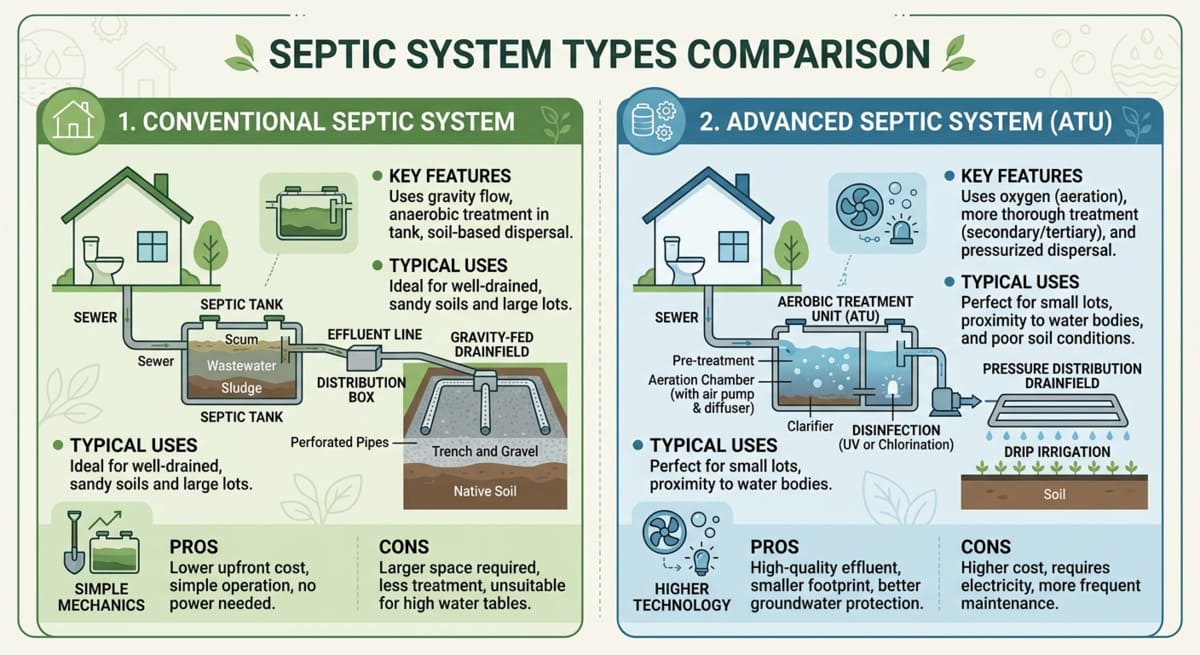
Conventional Septic System Cost
A conventional septic system is generally the most affordable option when a property has the proper soil condition.
This system typically includes:
- Septic tank
- Distribution box
- Underground drain field
Average installation cost:
$5,000 to $10,000
This system is preferred by many rural homeowners because it is easy, reliable and simple to maintain.
Alternative Septic Systems for Difficult Properties
Some North Carolina properties cannot use a traditional drain field. In those cases, homeowners may need an alternative system.
Examples include:
- Aerobic treatment units
- Sand filter systems
- Pressure dosed systems
- Mound systems
These systems can cost:
$10,000 to $20,000+
They typically require more equipment and maintenance, however, they can build a home on land in which a normal septic system would fail.
Step by Step Septic Installation Process in North Carolina
Many homeowners think installation is just digging a hole and placing a tank, but there are several steps involved.
Soil Test and Site Evaluation
The first step is to see if your property can support the septic system.
A licensed professional evaluates:
- Soil layers
- Drainage ability
- Water table levels
- Available installation area
If the property passes, you can move forward with the septic permit process.
Getting Septic Permits
Septic permits in North Carolina are generally governed through the local county health department.
The approval method confirms that the proposed system meets the state requirements.
Skipping proper permits can create problems later when selling your property.
Excavation and System Installation
Once approved, contractors prepare the site by:
- Digging for the tank
- Installing pipes
- Building the drain field
- Connecting the home plumbing
The timeline can vary from a few days to several weeks depending on climate, inspections, and system complexity.
Inspection and Final Approval
After installation, the system is inspected before it can be officially used.
A good contractor should explain how your system works and provide maintenance instructions.
Wastewater infrastructure lines must sit safely away from any drinking wells or water boundaries. Read through regional water quality preservation acts on the United States Environmental Protection Agency Septic Systems Portal.
Hidden Costs Homeowners Should Prepare For
The installation quote you receive may not include everything. This is where many budgets go wrong.
Some additional expenses may include:
Pump Installation
If your septic tank sits lower than your drain field, you may need a pump system.
Typical cost:
$500 to $2,500+
Landscaping Repairs
Heavy equipment can damage parts of your yard during installation.
You may need additional money for:
- Soil replacement
- Grass repair
- Driveway repairs
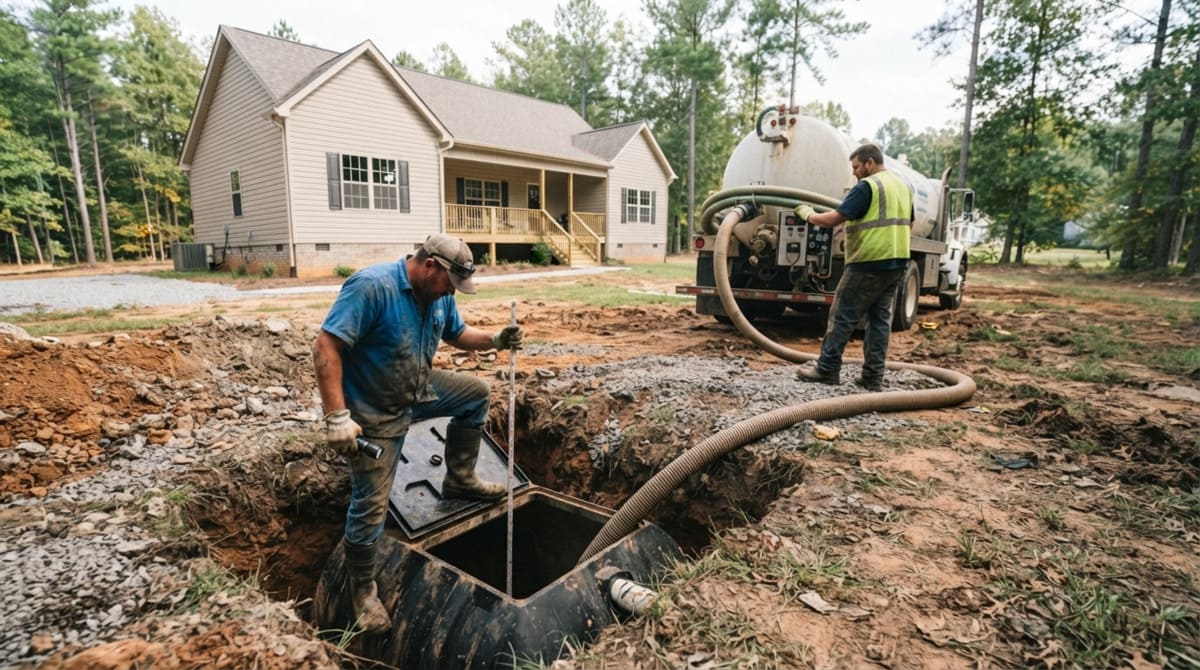
Maintenance Costs
A septic system is not completely maintenance-free.
Most tanks want to be pumped every few years, depending on household usage.
Regular maintenance helps prevent expensive maintenance later on.
Installing a septic system is a major investment, and small mistakes can create expensive problems.
Here are mistakes I would avoid:
Choosing the cheapest contractor only
The lowest price is not always the best deal. Poor installation can cause drainage problems and repairs.
Ignoring future home plans
If you plan to add bedrooms, a guest house, or an additional structure, your septic design may need to handle future demand.
Building before septic approval
Never assume your land automatically qualifies. Always complete the proper evaluation first.
Not understanding maintenance requirements
Ask your installer how often the tank needs service and what signs indicate problems.
Frequently Asked Questions About Septic Installation Cost in NC
How much does it cost to install a septic system in North Carolina?
The average cost to install a septic system in North Carolina is around $5,000 to $15,000 but tight properties or superior systems may cost more.
Does every property in NC need a perc test before installing septic?
Most properties require a soil assessment prior to approval, as this determines if the land can support a septic system.
How long does a septic system last in North Carolina?
A well installed and maintained septic system can often last several decades. Regular pumping and preventing damage to the drain field can extend its lifespan.
Is a septic system cheaper than connecting to sewer in North Carolina?
Septic is often a realistic option for rural homes because municipal sewer connections may not exist or may require expensive extension costs.
What is the biggest factor affecting septic installation cost?
The biggest factor is generally soil condition and whether your property can help with a conventional septic system or require a more advanced design.
Installing a septic system in North Carolina doesn’t always mean just buying a tank and purchasing an excavator. The actual cost depends on your land, soil, permits, and the type of system your property needs.
Planning ahead, getting proper evaluation, and choosing a skilled installer can keep you away from unintended expenses.
If you understand the process before beginning, your septic installation project will be much smoother, and your home will have a reliable wastewater system for years to come.