
A Practical Step by Step Guide
Many mobile homeowners notice the same problem after moving into their home: the open space underneath looks unfinished, pipes are exposed, and cold air or moisture starts becoming a concern.
I have also seen many manufactured homes improve immediately by adding proper skirting, as it gives the home a cleaner look and helps protect the base area.
If you are wondering how to install mobile home skirting, the process is easier to follow when you break it down into planning, measuring, deciding on the proper steps, and installing each panel correctly.
Because climatic conditions count in North Carolina, humidity, heavy rain, and temperature changes can affect how your skirting performs over time.
This guide explains wise installation methods, common mistakes homeowners make, assumed costs, and what not to forget before starting your project.
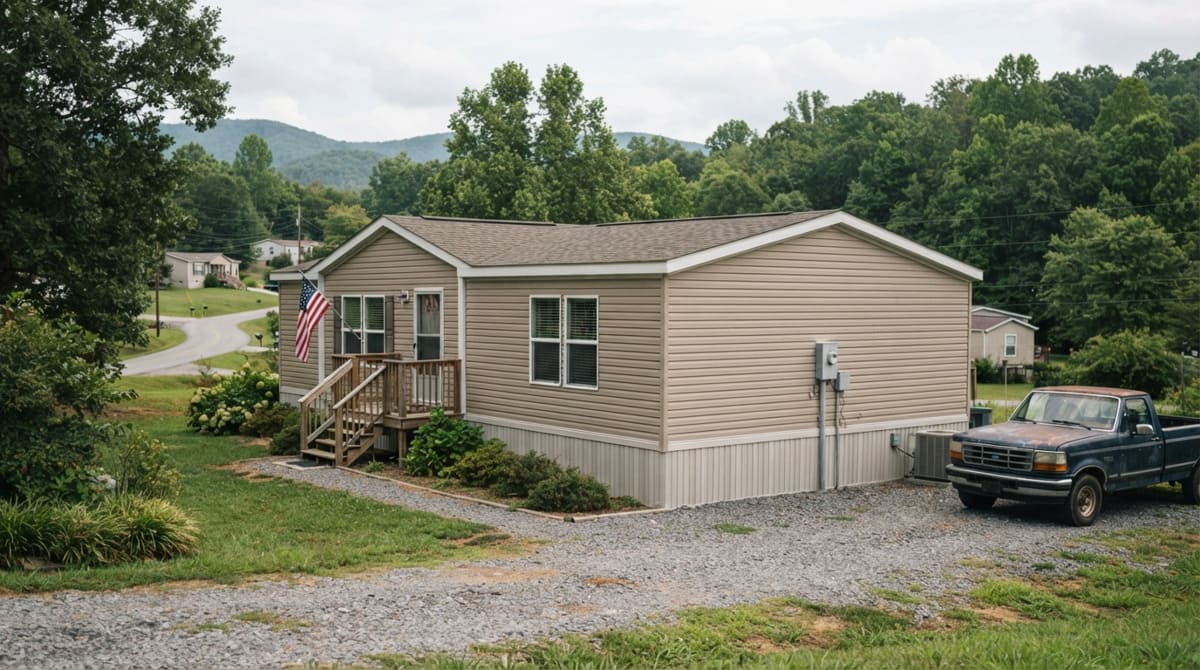
Why Mobile Home Skirting Matters for North Carolina Homes
Mobile home skirting is more than just an aesthetic upgrade. It creates a barrier around the floor of your home that allows shield plumbing, insulation, and slowly moves space fields.
North Carolina homeowners deal with unique climatic conditions based on location. Coastal areas can additionally cope with higher humidity and moisture, while colder western regions can enjoy freezing temperatures. Good skirting can minimize these problems when mounted properly.
Benefits of Installing Mobile Home Skirting
A properly installed skirting system can provide:
- A cleaner and more finished exterior appearance
- Protection from animals entering underneath the home
- Reduced exposure to wind and rain
- Better protection for pipes during colder months
- Improved overall curb appeal when selling the property
One mistake I also notice homeowners make is choosing the cheapest material without considering the weather in the local area. Low quality skirting can crack, warp, or loosen after storms.
Finishing your exterior vinyl panels adds curb appeal and blocks pests; once your physical perimeter enclosure is set up, you should immediately coordinate a complete mobile home vapor barrier installation in North Carolina project to lock out rising ground moisture.
How to Prepare Before Installing Mobile Home Skirting
Before installing anything, preparation saves time and prevents expensive mistakes. The first step is measuring the entire perimeter of your mobile home.
You need to measure:
- Each side length
- The distance from the ground to the bottom edge of the home
- Areas around doors, vents, and utility connections
It is always better to measure twice because ordering extra panels is much easier than trying to match a discontinued style later.
Choosing the Right Mobile Home Skirting Material in NC
Different materials work better for different situations.
Skirting Type | Average Cost Range | Best For |
Vinyl skirting | $800 - $1,800 | Affordable and common choice |
Insulated vinyl | $1,500 - $3,000 | Better temperature protection |
Metal skirting | $1,800 - $4,000 | Strong durability |
Concrete or block | $4,000+ | Permanent appearance |
Note: Prices vary depending on home size, labor, location, and material quality.
For many North Carolina manufactured homes, vinyl skirting is popular because it handles moisture well and is easier to replace if damaged.
Step by Step Process: How to Install Mobile Home Skirting
Installing skirting is a project many homeowners can handle with basic tools, but accuracy matters.
Step 1: Install the Bottom Track Around the Home
The bottom track creates the foundation where the skirting panels sit.
Make sure:
- The ground is reasonably level
- The track follows the home’s shape
- There is enough space for movement during temperature changes
Do not attach the skirting too tightly. Materials expand and contract with weather changes.
Step 2: Attach the Top Rail and Support System
The top rail connects the skirting to the mobile home structure.
A common installation includes:
- Top track
- Bottom track
- Vertical supports
- Vent openings
Proper ventilation is important because of the moisture trapped under the home can lead to damage.
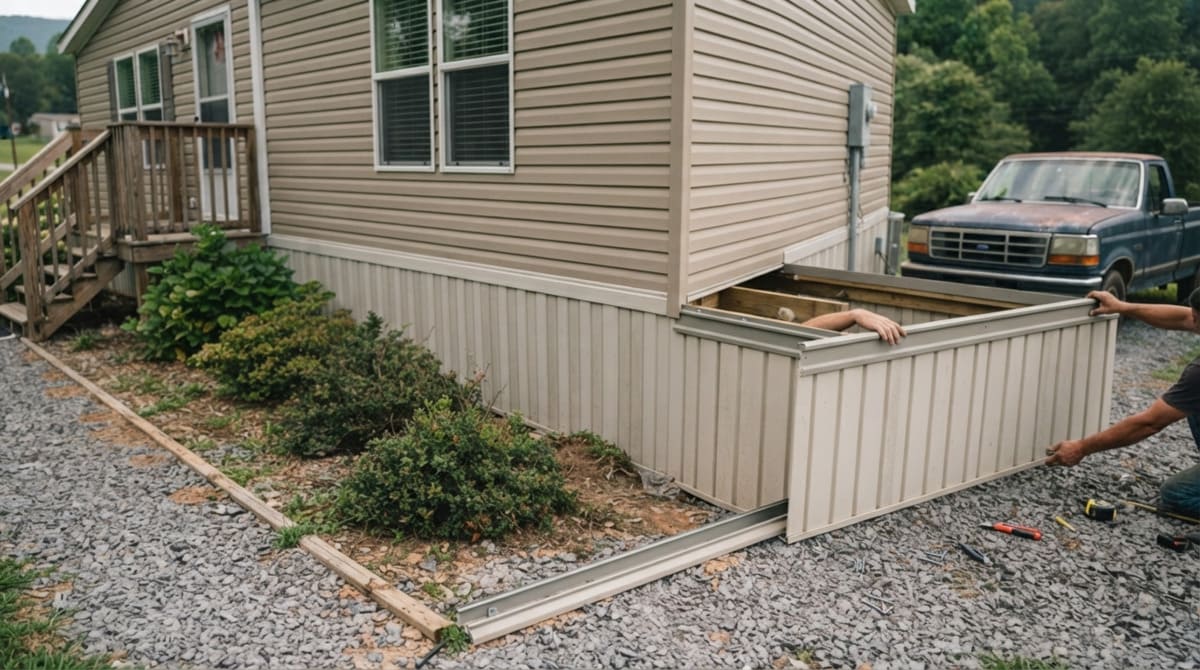
Step 3: Install the Skirting Panels
Start from one corner and move around the home.
Each panel should:
- Fit securely inside the tracks
- Stay straight and level
- Have room for expansion
A helpful tip is to avoid installing panels during extreme temperature conditions because vinyl can change size slightly.
Step 4: Add Ventilation and Access Panels
Ventilation is one area where many DIY installations fail.
Your skirting should include:
- Air vents
- Easy access doors
- Openings near utility areas
These features allow airflow and make future repairs easier.
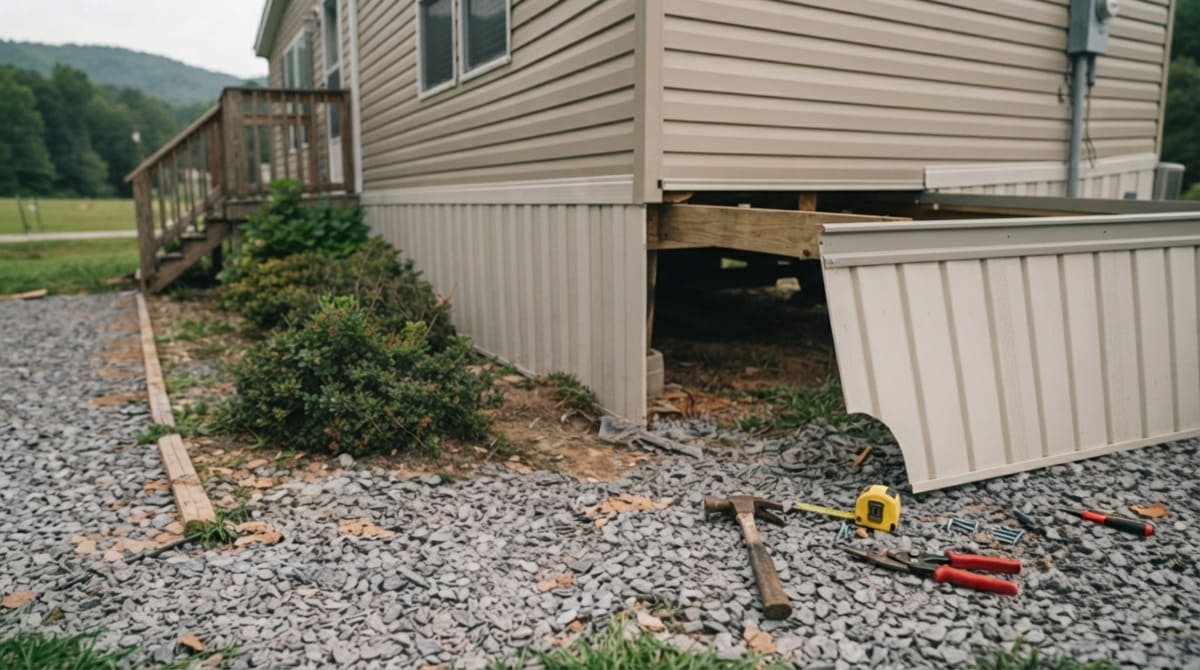
Tools Needed for Mobile Home Skirting Installation
You usually need basic tools:
- Measuring tape
- Level
- Drill
- Screwdriver
- Utility knife
- Hammer
- Tin snips (for metal materials)
- Safety gloves
For larger homes, having an extra person helps because long panels can be difficult to handle alone.
Common Mistakes to Avoid When Installing Mobile Home Skirting
A few mistakes can shorten the life of your skirting.
Installing Without Proper Ventilation
Sealing everything completely may seem like a good idea, but moisture needs airflow.
Skipping Ground Preparation
Uneven ground can make panels look crooked and create gaps where animals can enter.
Using Wrong Fasteners
Outdoor conditions in North Carolina can cause rust and damage if the wrong screws or hardware are used.
Forgetting Storm Protection
Some areas experience strong winds, especially during storms. Secure installation matters.
Every panel must contain dedicated vents to allow crawlspace air pressure relief. Study general structural wind safety parameters on the National Institute of Standards and Technology Structural Engineering Division.
The total cost depends on your home size and whether you install it yourself or hire a professional.
Project Type | Estimated Cost |
DIY vinyl skirting | $800 - $2,000 |
Professional vinyl installation | $1,500 - $4,000 |
Premium materials | $3,000+ |
Labor costs vary by contractor and location within North Carolina.
DIY installation can save money when you have the time and simple tools. However, professional installers generally enjoy the challenges of leveling, ventilation requirements, and nearby weather.
A professional may be worth considering if:
- Your ground is uneven
- Your home needs repairs underneath
- You want a long lasting finished look
- You have a larger double wide or triple wide home
Frequently Asked Questions About Mobile Home Skirting Installation
How long does mobile home skirting last in North Carolina?
Life expectancy depends on material and maintenance. Quality vinyl skirting can last many years, properly installed and protected from harm.
Can I install mobile home skirting myself?
Yes, many homeowners install vinyl skirting themselves. Accurate calibration, proper ventilation, and precise fastening are the most essential elements.
What is the best skirting material for a mobile home in NC?
Vinyl maximum is one of the not uncommon picks as it is far less expensive and handles moisture nicely. Insulated options may be more common for owners seeking greater temperature security.
Does mobile home skirting help with winter temperatures?
Good skirting can help reduce air circulation under the home and protect plumbing areas, but it does not replace proper insulation.
Do I need vents in mobile home skirting?
Yes, Ventilation facilitates the manipulation of humidity and keeps the drive gently space area from humidity related issues.
Finding the way to install mobile home skirting will be much less difficult when you plan properly, measure accurately, and decide on materials that match North Carolina weather conditions.
A best skirting installation improves the look of your home and helps protect essential structures underneath. Whether you choose a DIY installation or hire a professional, taking the time to do the process effectively will help your mobile home look better and stay contained for years.