
Buying a mobile home is exciting. But looks can lie. I learned that lesson the hard way. The very first manufactured home I toured looked absolutely perfect. Then the inspector stepped in. He found soft, rotted floors and a leaking roof. That nightmare taught me an invaluable lesson.
You must never skip a mobile home inspection checklist. This is non-negotiable. It matters even more in North Carolina. Our crazy humidity, heavy storms, and aging properties create major hidden issues.
Are you buying a tiny single-wide? Maybe you are upgrading to a larger double-wide instead. Either way, a deep inspection saves your wallet. It stops surprising repair bills.
Plus, it gives you massive power to negotiate a much better price.
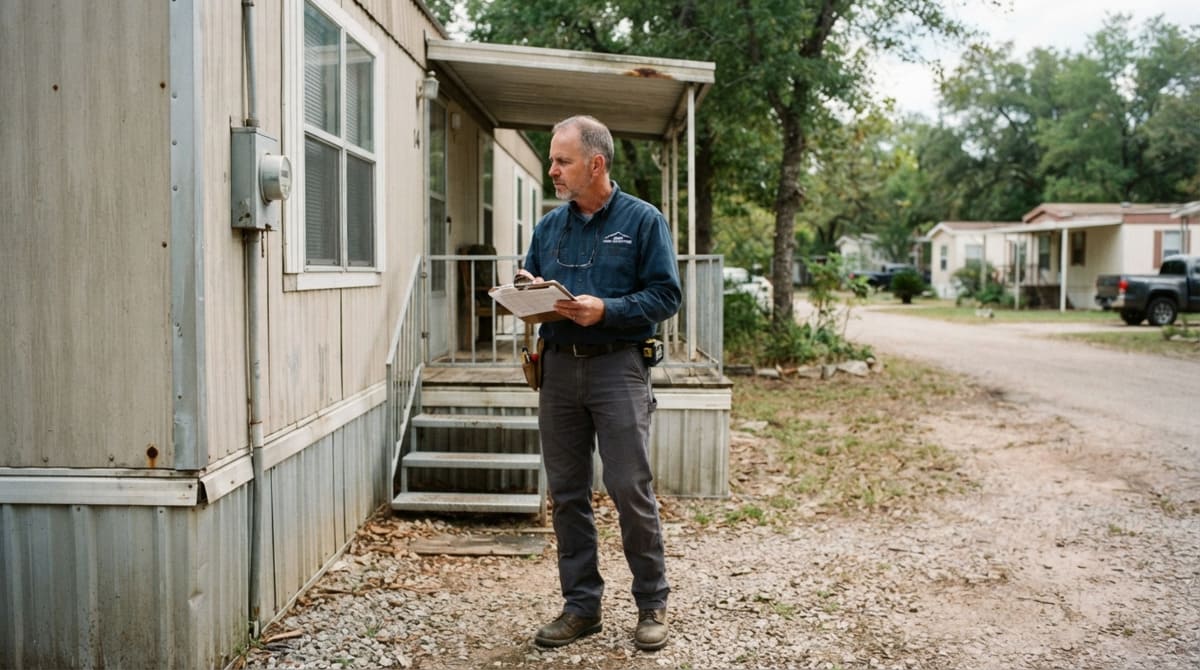
Why Every NC Buyer Needs a Mobile Home Inspection Checklist
North Carolina is packed with mobile homes. They are everywhere in rural towns and suburban neighborhoods. Markets are booming in Wake and Johnston counties. Cumberland, Brunswick, and Onslow see non-stop sales too. But location brings trouble.
Coastal homes face brutal storms. Inland properties fight high humidity. These local weather patterns destroy foundations and trap moisture out of sight.
Do not guess your home’s condition. Checking a mobile home inspection checklist before closing gives you total peace of mind. It reveals exactly what you are buying.
What Should Be Inspected First?
Start with the parts that are the most expensive to repair.
Check:
- Roof condition
- Foundation or piers
- Floors and walls
- Plumbing and electrical systems
- HVAC unit
- Windows and doors
Hiring a certified inspector ensures you catch expensive plumbing defects or structural foundation damage before signing.
Once your checklist passes inspection, you can confidently search for an approved lot using our comprehensive manual on land for mobile home: the ultimate 5-step buyer guide in NC.
Step 1: Inspect the Roof and Exterior Carefully
Your roof keeps everything safe inside. Tiny leaks create massive disasters fast.
They rot insulation, breed dangerous mold, and drain your bank account.
Look for:
- Missing or damaged shingles or metal panels
- Rust around roof edges
- Water stains on ceilings
- Soft spots around vents
- Gutters that don’t drain properly
Coastal areas require extra vigilance. Places like Wilmington or Brunswick County face brutal salt air and hurricanes. This extreme weather destroys roofing materials twice as fast.
Check the Siding and Skirting
Walk around the entire exterior loop. Check the walls for cracks, deep holes, or loose vinyl panels. Do not ignore the bottom skirting. Broken skirting invites destructive insects, wild animals, and stagnant moisture right under your living space.
Step 2: Check the Foundation and Floors
A ton of older manufactured homes in North Carolina rely on pier-and-beam foundations. Shifting happens easily. If the home sits unevenly, you will notice weird things fast.
Floors start to slope under your feet. Interior doors stick in their frames. Strange cracks suddenly pop up along your drywall. Walk slowly through every room.
Watch for:
- Soft or bouncy flooring
- Sloping floors
- Cracks in drywall
- Gaps around doors
- Signs the home has shifted
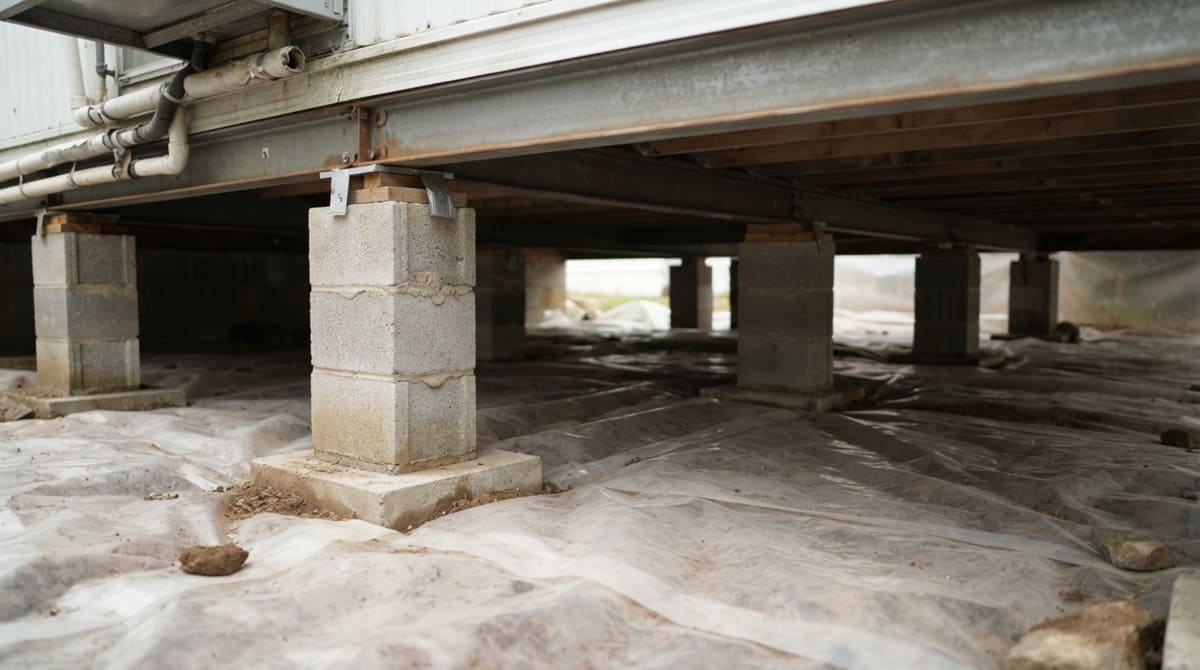
Look Under the Home
If possible, inspect beneath the home using a flashlight.
Check for:
- Standing water
- Broken support blocks
- Damaged vapor barrier
- Rusted metal supports
Homes in Johnston County and Wake County sit on thick clay-heavy soil. It holds water tightly. This makes proper leveling and drainage absolutely critical after massive rainstorms hit.
Step 3: Test Plumbing and Electrical Systems
Repairs behind walls get expensive fast. Never rush this step.
Turn on every single faucet and flush every toilet.
Look for:
- Low water pressure
- Slow drains
- Pipe leaks
- Water stains under sinks
Next, test electrical outlets using a simple outlet tester.
Flip the light switches throughout the home. Make sure breakers inside the main box have clear handwritten labels.
Don’t Forget the Water Heater
Check the age. Look closely for dark rust around the bottom base.
Confirm it actually heats the water quickly. A dead water heater breaks down without warning, adding a painful, unplanned expense.
Step 4: Inspect Windows, Doors, and Interior Walls
Open and close every window and exterior door. They should move smoothly without sticking.
Also inspect:
- Cracked window seals
- Drafts around frames
- Ceiling stains
- Wall cracks
- Signs of mold or mildew, especially in bathrooms and kitchens
Out in the sticky, humid parts of eastern North Carolina, moisture problems trap easily. Mold and rot happen constantly out there.
That makes this specific step incredibly valuable before you sign a final purchase agreement.
Thoroughly inspecting underlying structural supports and frame integrity prevents sudden safety hazards over the lifespan of the home.
Review baseline safety protocols and residential check metrics via the American Society of Home Inspectors Assessment Portal.
A working HVAC system is essential in North Carolina’s hot summers and chilly winter mornings.
Ask the seller to run both the air conditioner and heater for several minutes.
Look out for:
- Weak airflow from vents
- Unusual noises or burning smells
- Dirty air filters
- Uneven temperatures between rooms
If the system has run for over fifteen years, ask hard questions about its maintenance history. Buying a total replacement becomes an absolute financial nightmare right after you close the deal.
Water destroys manufactured homes quickly. It is the most common issue that inspectors find. Leaving a tiny leak alone leads to bad wood rot and major structural damage down the road.
Inspect:
- Bathroom ceilings
- Kitchen cabinets under sinks
- Corners of bedrooms
- Around windows
- Under the home for damp soil
Keep an eye out for muddy termite tubes, crumbling wood rot, or fresh rodent droppings. These nasty problems plague older properties all over Cumberland County and Robeson County.
You see it constantly in rural areas where structures sit empty for months.
The inspection doesn’t end with the home itself.
Ask for:
- Previous inspection reports
- Repair and maintenance records
- Roof replacement receipts
- HVAC service history
- Manufacturer information and serial number
These papers help you verify the actual condition of the property.
Checking them carefully keeps you safe from costly surprises right after you close the deal.
Many first-time buyers make the same mistakes. You can easily avoid them.
- Skipping a professional inspection to save money
- Looking only at cosmetic upgrades
- Forgetting to inspect underneath the home
- Ignoring small water stains or soft flooring
- Not asking for repair records before closing
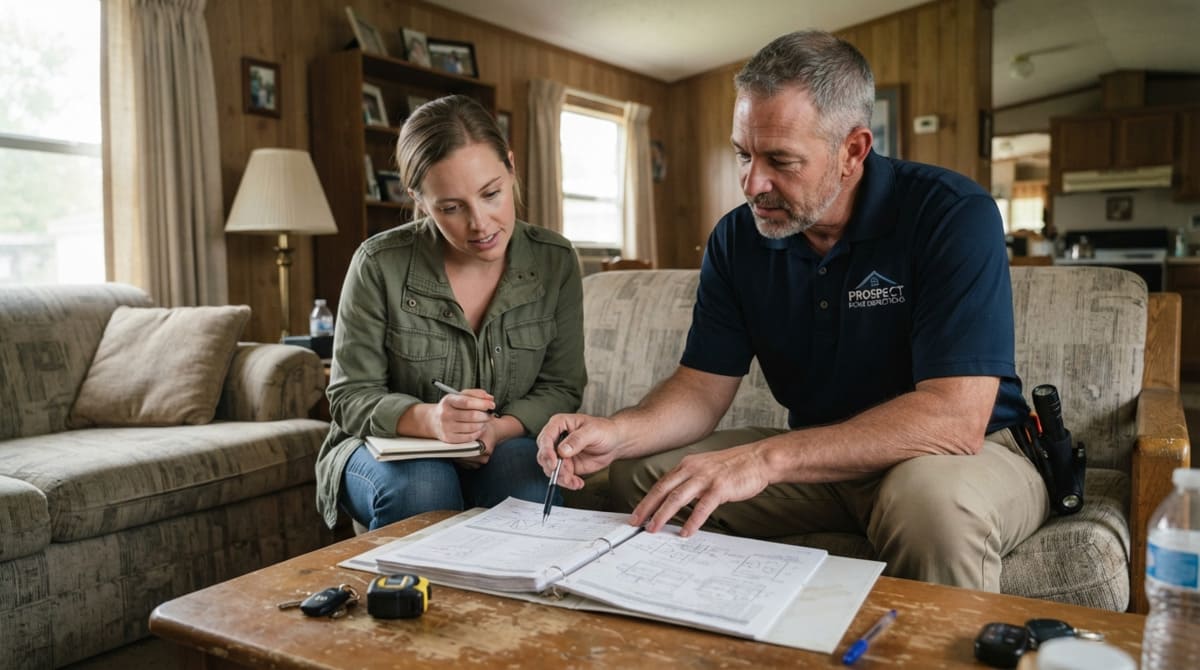
Paying a few hundred dollars for an inspector now saves you thousands in repairs later.
Frequently Asked Questions
Is a mobile home inspection required in North Carolina?
No. State law doesn’t require you to get one. Still, buying without looking is a huge gamble. Getting a pro to check the place catches serious safety issues and expensive damages before you sign on the dotted line.
How much does a mobile home inspection cost in NC?
Most inspections typically range from $300 to $600, depending on the home’s size, age, location, and whether additional services are requested.
Can I inspect a mobile home myself?
Sure, you can grab a checklist and look around the rooms. But licensed inspectors bring heavy-duty gear. They easily catch bad wires, shifting piers, and hidden wet spots that regular folks walk right past.
What is the biggest red flag during an inspection?
Keep an eye out for leaking roofs, collapsing foundations, thick mold, and fried electrical panels. Those fixes drain your bank account fastest.
Should I buy a mobile home that needs repairs?
Go for it, but only if the price makes sense. Make the seller slash their asking price to cover the damage. Get a real quote from a local contractor before making your final move.
A thorough mobile home inspection checklist gives you a clear picture of the home’s true condition before you commit.
From the roof and foundation to plumbing and paperwork, every step helps protect your investment.
If you’re buying a manufactured home anywhere in North Carolina, taking a little extra time now can save you thousands of dollars and provide peace of mind for years to come.