A few years ago, a friend of mine wanted to buy a manufactured home in North Carolina. He found a great place in his budget, but applying for a loan got confusing. Every bank had different rules and rates.
After checking around, fixing his credit, and learning how it works, he got a great deal.
Mobile home financing can feel overwhelming if you are new to this in North Carolina. But getting a loan is much simpler when you know what banks look for and get ready early.
This guide gives you five simple steps to get approved and avoid expensive mistakes.
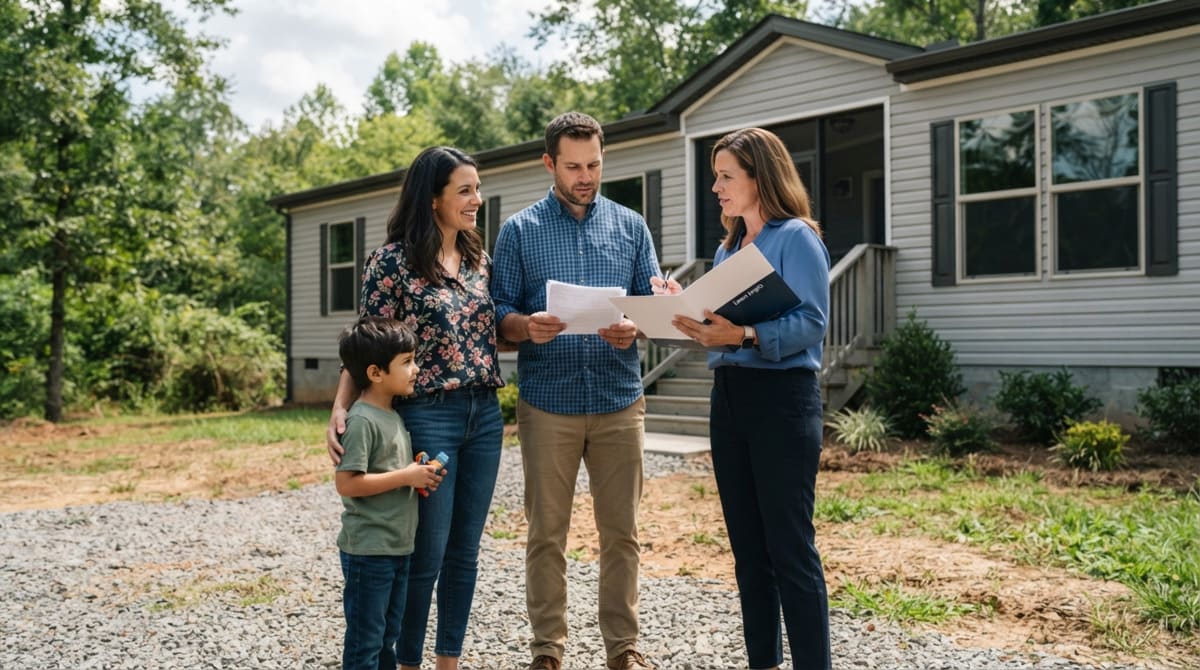
Step 1: Understand Your Mobile Home Financing Options in North Carolina
Before you apply for a loan, you need to see which option fits your situation. A lot of buyers just rush into the first loan they find and end up wasting thousands of dollars over time.
Traditional Mortgage for Permanent Manufactured Homes
If the mobile home is permanently attached to land that you own, many lenders treat it like a traditional house. This usually offers:
- Lower interest rates
- Longer repayment terms
- Lower monthly payments
- Better refinancing options
This is often the most affordable choice for qualified buyers.
Chattel Loans for Homes in Mobile Home Parks
If your home sits in a leased community instead of owned land, lenders may offer a chattel loan.
While approval is often quicker, these loans usually come with:
- Higher interest rates
- Shorter loan terms
- Larger monthly payments
Many first-time buyers in North Carolina use this option when purchasing homes inside manufactured housing communities.
Comparing multiple financial products allows you to secure the most favorable interest rates for your property purchase.
If your property asset does not include deeded real estate, you should explore specialized financing structures by reading our comprehensive guide on chattel loans for mobile homes in NC: rates & requirements.
Government-Backed Loan Programs
Several government-backed programs help make mobile home financing more affordable.
Popular choices include:
- FHA loans
- VA loans for eligible veterans
- USDA loans for qualifying rural properties
These programs often require smaller down payments than conventional financing.
Step 2: Improve Your Credit Before Applying
One lesson I’ve learned is that spending just a few weeks improving your credit score can save thousands of dollars over the life of your loan.
Many buyers apply immediately after finding a home. Instead, take time to strengthen your financial profile first.
Credit Scores Most NC Lenders Prefer
Although every lender is different, many North Carolina lenders generally prefer:
Credit Score | Financing Possibilities |
Below 580 | Limited loan choices and higher rates |
580 – 619 | FHA financing may be available |
620 – 679 | Better approval chances with competitive rates |
680+ | Best loan options and lower interest rates |
Ways to Improve Approval Odds
Simple improvements can make a noticeable difference:
- Pay every bill on time
- Reduce credit card balances
- Avoid opening new credit accounts
- Check your credit report for errors
- Save additional money for a larger down payment
Lenders like to see responsible financial habits before approving a loan.
Step 3: Save for the Right Down Payment and Closing Costs
Many people focus only on the purchase price and forget about upfront costs.
Besides the down payment, you’ll likely need money for:
- Loan closing costs
- Home inspection
- Insurance
- Property taxes
- Appraisal fees
- Moving expenses
Planning ahead prevents surprises during closing.
Typical Down Payment Expectations
Depending on the loan type, buyers may need:
Loan Type | Typical Down Payment |
FHA Loan | Around 3.5% |
Conventional Loan | 5% – 20% |
Chattel Loan | 5% – 20% |
VA Loan | Eligible buyers may qualify with no down payment |
Every bank has different rules based on your credit score and history.
Planning your budget in North Carolina
If you are looking at big cities like Charlotte, Raleigh, or Greensboro, home prices are usually higher than in smaller towns.
However, areas like Johnston, Robeson, Cleveland, and Onslow counties tend to have much cheaper options. Plus, local banks and credit unions in those communities are usually ready to help you get a loan.
Looking at homes in different counties is a great way to get more for your money without losing out on quality.
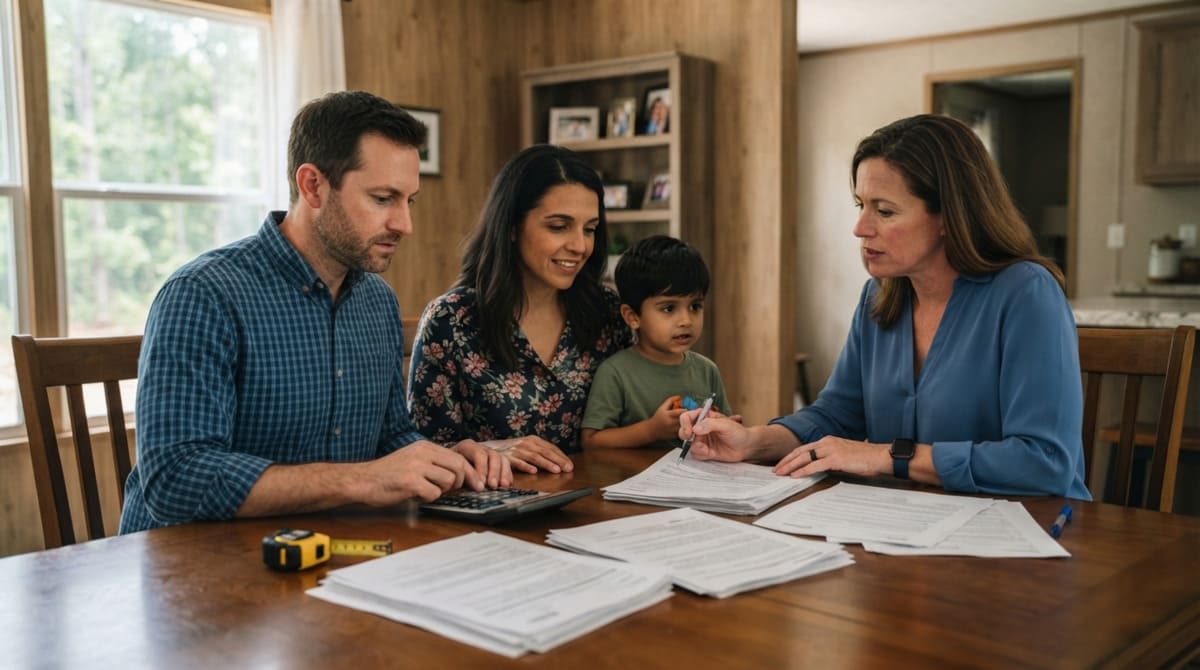
Step 4: Compare Mobile Home Financing Lenders in North Carolina
Not all lenders offer the same loan programs, and that’s something I learned after helping a family member shop for financing. The first lender quoted an interest rate that looked reasonable, but after checking three more lenders, we found a better rate with lower closing costs.
That simple comparison could save thousands of dollars over the life of the loan.
Never assume your bank has the best deal. Take time to compare multiple financing options before signing anything.
Compare More Than Just the Interest Rate
A lower interest rate is great, but it’s only part of the picture. Look at the total cost of the loan, including:
- Loan term
- Closing costs
- Origination fees
- Monthly payment
- Prepayment penalties
- Customer reviews
- Approval time
Sometimes a loan with a slightly higher interest rate has much lower fees, making it the better overall choice.
Where to Find Mobile Home Financing in NC
Many buyers in North Carolina choose financing through:
- Local banks
- Credit unions
- Manufactured home dealerships
- Mortgage brokers
- FHA-approved lenders
- USDA-approved lenders
Shopping around gives you a better idea of what you actually qualify for.
Understanding baseline borrowing protections is essential before reviewing any formal lender disclosures or application metrics.
Review mortgage literacy guidelines and lending rights from the Consumer Financial Protection Bureau Mortgage Resources Portal.
Financing Tips for Popular NC Cities and Counties
Depending on where you decide to buy in North Carolina, the whole loan process can look a bit different.
Charlotte (Mecklenburg County)
The housing market in Charlotte is absolutely massive right now. Because things move incredibly fast, you really want to get pre-approved before you even start looking at homes so you don’t lose out to another buyer.
Raleigh (Wake County)
With local home prices shooting up year after year, a lot of folks are turning to manufactured housing as a smart way to get a great home without breaking the bank.
Greensboro (Guilford County)
You have plenty of solid choices here since local credit unions and regional banks actively fund manufactured homes, making it easy to shop around for the best interest rates.
Fayetteville (Cumberland County)
If you have a military background, make sure to look at VA home loans since they offer amazing perks for eligible manufactured properties in the area.
Wilmington (New Hanover County)
Buying near the coast is beautiful, but you need to budget for extra wind and hail insurance before you ever fill out a loan application.
Asheville (Buncombe County)
Keep in mind that mountain plots often come with tricky terrain, so lenders usually require extra land surveys or foundation checks before they sign off on your financing.
Step 5: Prepare Your Documents Before Applying
One major mistake I see people make all the time is rushing to apply before they even gather their paperwork. Missing just a couple of documents can completely delay your approval for days or weeks.
Taking the time to get everything ready beforehand proves to lenders that you actually have your act together and are serious about buying.
Documents Most Lenders Request
Prepare these before submitting your application:
- Government-issued photo ID
- Social Security Number
- Recent pay stubs
- W-2 forms or tax returns
- Bank statements
- Employment verification
- Purchase agreement
- Information about the manufactured home
- Land ownership documents (if applicable)
Get Pre-Approved Before Shopping
Pre-approval offers several benefits:
- Shows sellers you’re a qualified buyer
- Helps you understand your budget
- Speeds up the buying process
- Prevents disappointment from looking at homes outside your price range
You can easily mess up your loan even with a great credit score if you overlook the little things.
Here are some of the most common mistakes people make when buying a home:
- Not fixing a bad credit score before sending in your application
- Picking a home that’s just too expensive for what you make each month
- Forgetting that you also have to pay for insurance, property taxes, and closing fees
- Signing up with the first lender you talk to without checking other rates
- Putting a new car on credit or opening cards right before you close the deal
- Failing to check if the property actually meets the rules of your loan program
If you keep an eye out for these slip-ups, the whole approval process will go way smoother.
Frequently Asked Questions
Is mobile home financing different from a regular mortgage?
Yes, it all comes down to who owns the land. If you own the plot and attach the home permanently, you can typically get a standard home mortgage. However, if you lease the lot or park space, you’ll need a chattel loan instead, which carries different rules and higher rates.
What credit score do you need for mobile home financing in NC?
Most lenders look for at least a 620 score to start. That said, you can absolutely find FHA programs that accept lower scores if the rest of your income and financial history look solid.
Can you finance a mobile home with a low down payment?
Yes, you don’t need a massive amount of cash upfront. An FHA loan lets you put down a minimum of 3.5%, and military veterans can often qualify for a VA loan with no down payment at all.
Where are the most popular places to buy a manufactured home in North Carolina?
Buyers lean toward areas around Charlotte, Raleigh, Greensboro, Fayetteville, Wilmington, and Asheville. Counties like Johnston, Robeson, Onslow, and Cleveland are also huge favorites since they combine cheap home options with plenty of local loan choices.
How long does it take to get approved for a mobile home loan?
If you turn in all your paperwork right away and the home appraisal goes through smoothly, you can expect an approval anywhere from a couple of days to a few weeks.
Finding the right mobile home financing option in North Carolina doesn’t have to be complicated. If there’s one big lesson I’ve learned, it’s that getting ready early changes everything.
Buyers who work on their credit, talk to a few different lenders, save up for upfront costs, and get their paperwork sorted out always have a much smoother path to approval.
Take your time, ask plenty of questions, and never sign with the first lender you talk to. Doing a little extra homework right now will save you a ton of money over the years and help you move into your new manufactured home without any stress.