
If you have ever walked across your mobile home and felt the floor sink slightly or noticed doors that would suddenly not close nicely, you are not alone. Now I have already learned that small leveling issues can quickly become big repairs if they go unnoticed.
Knowing how to level a mobile home is not just about comfort. Proper leveling protects your flooring, partitions, plumbing, roofing and foundation equipment. Changes in weather conditions, heavy rains, and soil changes in North Carolina can make daily inspections of mobile homes even more important.
Whether you have a personal single-wide or a double-wide home, this guide will walk you through smooth steps, common mistakes to avoid, and what North Carolina homeowners need to know before they get started.
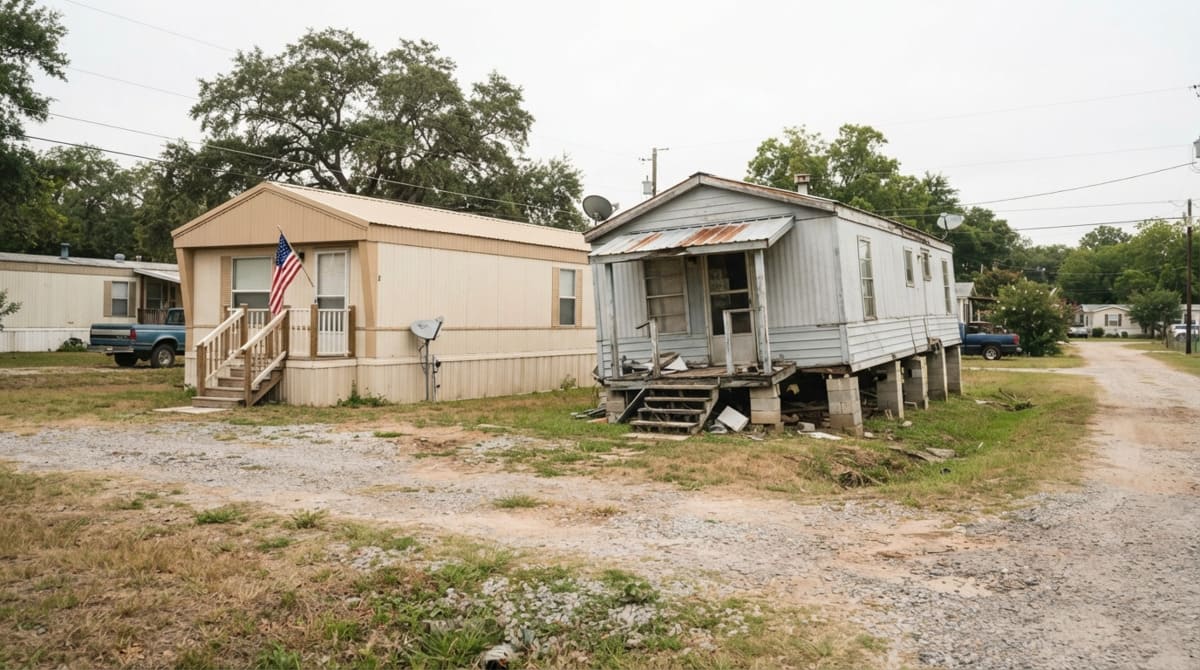
Why Mobile Home Leveling Matters in North Carolina
Summers in North Carolina get super hot and sticky. Between the heavy rain and bad storms, the ground under your house stays wet. That makes the dirt shift around, and your home will start to sink.
Watch out for these warning signs:
- Uneven floors
- Doors sticking or swinging open by themselves
- Interior wall cracks
- Gaps around windows
- Squeaky floors
- Plumbing leaks beneath the home
Ignoring these small issues can eventually affect your foundation supports and increase repair costs.
Mobile Home Leveling Problems Common in NC Counties
Homeowners frequently inspect their homes in areas such as:
- Wake County
- Mecklenburg County
- Guilford County
- Cumberland County
- Johnston County
- New Hanover County
- Durham County
- Forsyth County
Homes located near coastal areas like Wilmington may deal with moisture related settling, while inland locations may experience soil movement during seasonal weather changes.
Keeping your frame perfectly balanced prevents warped doors and cracked drywall.
To ensure you have mapped out the full scope of overall setup transport outlays, double-check our foundational summary on single wide mobile home moving costs in North Carolina.
Step 1: Inspect Your Mobile Home Before Leveling
Check your place first. Walk through every room. Do the floors feel weird? Put a marble on the floor. See if it rolls by itself.
You should also inspect:
- Exterior skirting
- Support piers
- Beams beneath the home
- Water drainage around the foundation
- Plumbing connections
A simple carpenter’s level or laser level can help identify problem areas quickly.
Tools That Make Leveling Easier
Some useful tools include:
- Water level
- Laser level
- Carpenter’s level
- Hydraulic bottle jack
- Flashlight
- Work gloves
- Tape measure
Many homeowners use laser levels because they provide more accurate measurements across larger manufactured homes.
Step 2: Check the Foundation and Support System
Mobile homes rely on properly installed support piers and beams to remain level.
Before lifting anything, inspect for:
- Cracked blocks
- Loose shims
- Moisture damage
- Rusted anchors
- Damaged beams
In North Carolina, excessive moisture beneath the home can weaken support areas over time.
North Carolina Soil Conditions Can Affect Leveling
Different parts of North Carolina have varying soil conditions.
For example:
- Charlotte area homes may experience settling from clay soils
- Raleigh homes often require proper drainage management
- Wilmington properties benefit from additional moisture protection
- Fayetteville homeowners should inspect after heavy seasonal rainfall
Improving drainage around your home can significantly reduce future leveling problems.
Problem | Possible Cause | Solution |
Uneven Floor | Settling Soil | Re-level Supports |
Door Sticking | Foundation Movement | Level Home |
Wall Cracks | Shifting Supports | Inspect Piers |
Plumbing Issues | Improper Leveling | Check Drain Lines |
Step 3: Measure Low and High Areas Carefully
This step often gets overlooked.
Don’t assume the entire home needs adjustment because one room feels uneven.
Start by measuring:
- Living room
- Kitchen
- Bedrooms
- Hallways
- Bathrooms
Record which areas are lower than others before beginning.
How Much Can a Mobile Home Shift?
Small changes can create noticeable problems.
Even minor settling may affect:
- Cabinet alignment
- Interior trim
- Windows
- Exterior siding
- Plumbing performance
Step 4: Lift and Adjust the Home Slowly
Be careful first. If you fix it yourself, go slow. Do not jack the house up too high at once.
The basic process includes:
- Position the hydraulic jack correctly.
- Lift only small amounts gradually.
- Adjust shims when necessary.
- Inspect support blocks.
- Recheck measurements frequently.
Never rush this process.
Common Leveling Mistakes to Avoid
I have seen homeowners make expensive mistakes by trying to finish the job too quickly.
Avoid these common issues:
- Lifting one side too high
- Ignoring damaged supports
- Using improper materials beneath supports
- Forgetting to inspect plumbing afterward
- Skipping drainage improvements
If significant foundation movement exists, contacting an experienced mobile home professional is usually the safest option.
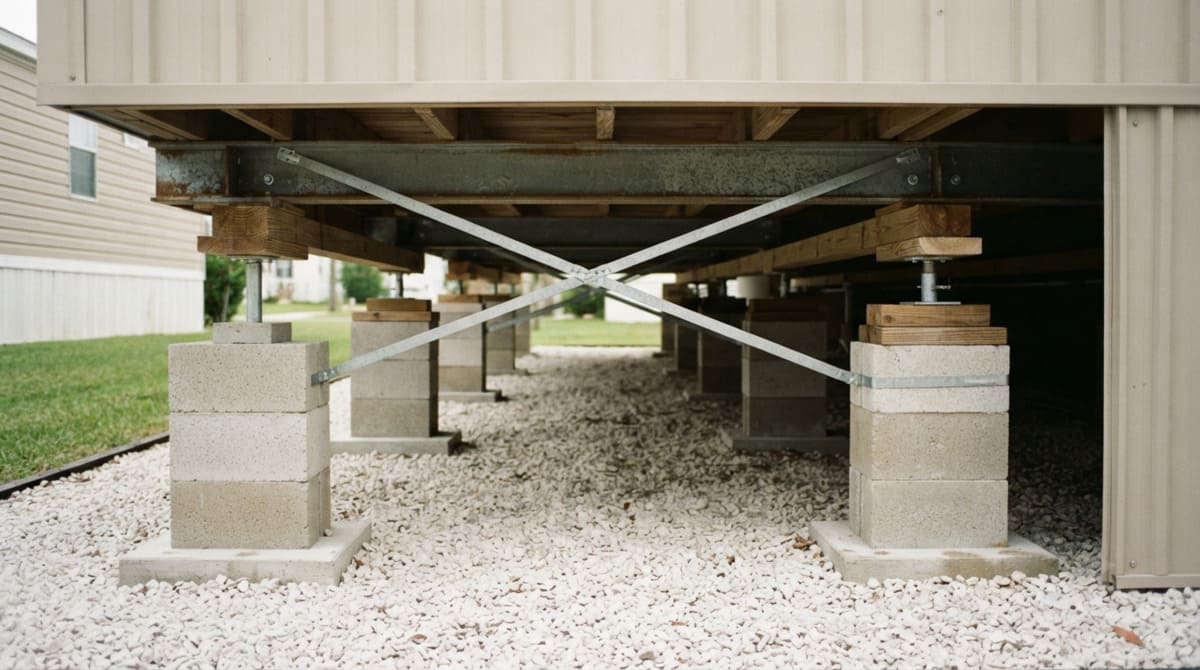
After adjustments are complete, inspect the entire home once again.
Check:
- Doors
- Windows
- Floors
- Plumbing connections
- Exterior skirting
- Ceiling cracks
Walk through every room to ensure everything feels level.
How Often Should You Level a Mobile Home in NC?
There isn’t one schedule that fits every home.
However, homeowners should inspect:
- Every 12 months
- After major storms
- Following heavy rainfall
- After noticeable settling
Preventive maintenance is always less expensive than major foundation repairs.
Foundation adjustments, ground tie-downs, and regular maintenance checks are vital to protect a structural frame against shifting soil conditions and heavy wind pressures.
Review structural safety benchmarks and stabilization best practices via the National Institute of Building Sciences Manufactured Housing Resource Library.
Simple maintenance goes a long way.
Some practical tips include:
- Keep your gutters working right
- Keep yard water draining away
- Inspect supports annually
- Fix leaking pipes right away
- Check for wet dirt under the home
- Replace damaged skirting when necessary
These small habits can help extend the life of both mobile and manufactured homes throughout North Carolina.
Frequently Asked Questions
How do I know if my mobile home needs leveling?
Jammed doors, crooked floors, cracked drywall, and window gaps mean something is wrong. Regular Inspection under your place once in a while catches these issues early.
Can I level my mobile home myself?
Tweak small low spots if you have jacks and know how. Big foundation shifts can ruin the whole house frame, so do not try that alone.
How long does mobile home leveling take?
Easy tweaks take maybe two hours. Straightening a bunch of bad support blocks takes all day depending on the size of the place.
Does heavy rain affect mobile home leveling in North Carolina?
Yes, wet dirt and clay make the blocks sink fast. Keeping rainwater away from the foundation is the only way to keep things straight.
How often should manufactured homes be inspected for leveling issues?
Look under your home once every year. Check it again right after bad storms or if you feel the floor shake.
Learning how to level a Mobile Home saves North Carolina homeowners lots of cash and time. Tiny foundation drops turn into huge troubles if you just leave them alone.
Looking under the place every year, keeping water away, and taking care of the blocks keeps your property safe for a long time.
Do not ignore it if the floor feels weird under your boots. A quick look underneath right now keeps you from paying for huge fixes later.
Keeping everything straight is the easiest trick to make your home safe, comfortable, and solid for years.