
A Practical Guide for Protecting Your Home
Living in a mobile home comes with many benefits, but one issue many homeowners end up with is moisture under the home. I have actually seen how a small moisture trouble under a manufactured home can slowly turn into bigger issues like damp insulation, higher energy bills, unsightly smells, and damaged materials.
A well connected vapor barrier is one of the necessary steps to control moisture under your property.
If you are trying to find a mobile home vapor barrier installation, primarily in North Carolina, where humidity, rain, and changing weather conditions are common, expertise and the right materials and installation system can save you money and stress.
The vapor barrier slowly works its way closer to the space to reduce the movement of moisture from the ground. It helps keep your mobile home floor cleaner, drier, and higher covered for 12 months.
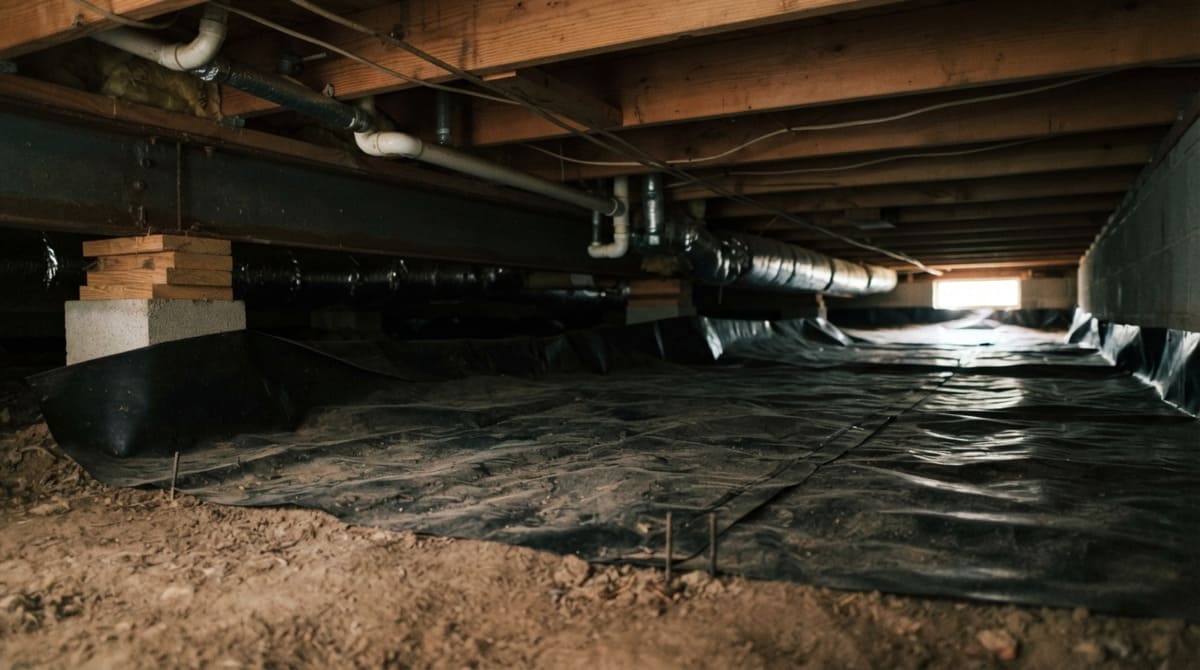
Why Mobile Home Vapor Barrier Installation Is Important in North Carolina
North Carolina homeowners deal with demanding conditions of unique humidity, depending on the location. Coastal areas usually enjoy high humidity, while inland regions will experience heavy rains and seasonal temperature changes.
These conditions can create a suitable environment for moisture to accumulate under a manufactured home.
Damaged or missing vapor barrier can also cause the following:
- Wet or compressed insulation
- Mold and mildew growth
- Musty crawl space odors
- Increased heating and cooling costs
- Wood and metal structure problems over time
Many homeowners think of vapor barriers as just a sheet of plastic on the floor. In reality, it’s part of the crawl space protection system that helps control humidity and improve the conditions under your home.
Sealing out crawl space moisture prevents wood rot under the floors; right after laying down the ground plastic and enclosing the base, you must verify the entire structural setup by organizing a mobile home inspection cost in North Carolina overview.
How to Choose the Right Vapor Barrier for a Manufactured Home in NC
Choosing the right materials is where many DIY projectss go wrong. I have seen humans deploy thin plastic sheets that tear quickly becaue they are not designed for crawl space conditions.
Homeowners with a long-term mobile home vapor barrier installed typically don’t forget:
Heavy Duty Polyethylene Vapor Barrier for Mobile Homes
The general preference is a thick polyethylene sheet, which should be regularly available in specific thicknesses.
A stronger vapor barrier:
- Handles crawling and maintenance work better
- Resists punctures from rocks or debris
- Provides longer protection
For many manufactured homes, thicker materials are preferred because the crawl space can experience movement, repairs, and changing moisture levels.
Vapor Barrier Thickness and Material Comparison
Vapor Barrier Type | Typical Use | Durability / Best For |
Thin plastic sheet | Temporary protection | Low / Short-term fixes |
6 mil polyethylene | Basic crawl spaces | Medium / Budget installations |
10 to 12 mil barrier | Long-term protection | High / Manufactured homes |
Reinforced vapor barrier | Heavy moisture areas | Very High / Humid NC locations |
Step by Step Mobile Home Vapor Barrier Installation Process
Installing a vapor barrier under a mobile home requires preparation. Rushing this process is one of the biggest mistakes I see homeowners make.
Inspect and Prepare the Crawl Space Area
Before installing anything, check underneath the home.
Look for:
- Standing water
- Damaged insulation
- Existing moisture problems
- Sharp debris that can tear the barrier
The ground has to be cleaned as much as possible before layering the material.
Measure the Crawl Space Correctly
Measure the duration and width of the space under the mobile home. Add extra material to the edges so the vapor barrier can overlap and be nicely secured.
A common mistake is buying exactly the measured size. Extra coverage makes installation easier and prevents gaps.
Install the Vapor Barrier on the Ground
Lay the vapor barrier across the crawl space floor.
Important installation points:
- Overlap seams several inches
- Seal joints when needed
- Avoid unnecessary holes
- Extend coverage toward foundation edges
For homes in wetter parts of North Carolina, careful sealing can make a noticeable difference.
Secure and Inspect the Installation
After placement, check the entire area.
Make sure:
- No large openings exist
- Edges stay in place
- The barrier is not stretched too tightly
- Future access areas remain reachable
Ground plastic prevents rising moisture from turning into subfloor mold. Learn about moisture shield engineering standards from the national Federal Emergency Management Agency Building Science Resource Library.
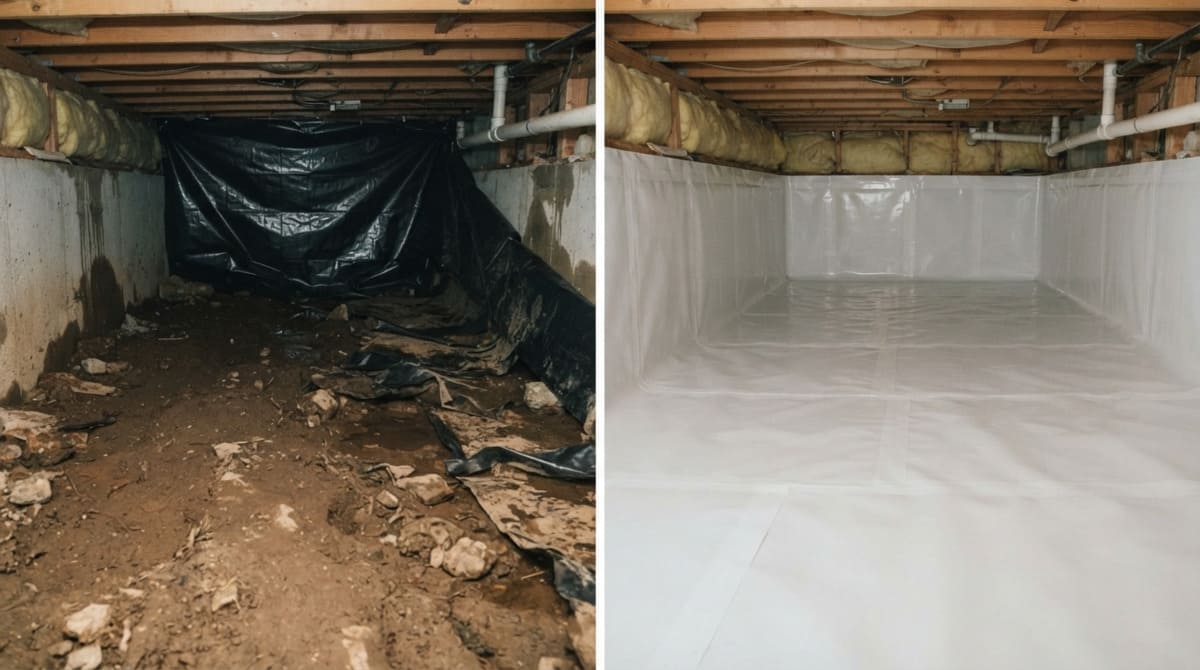
Common Mistakes Homeowners Make During Vapor Barrier Installation
Even simple crawl space projects can have problems if installation is rushed.
Some common mistakes include:
Using Cheap Thin Plastic
Saving money on materials often creates more costs later. Thin plastic can tear during installation or future repairs.
Ignoring Existing Water Problems
Vapor barrier enables moisture control yet doesn’t reinstate energetic leaks or flooding issues.
If water comes into the crawl area, deal with the issue first.
Not Covering the Entire Ground Area
Small uncovered sections can still allow moisture movement. A complete installation provides better results.
Forgetting North Carolina Weather Conditions
Humidity levels in NC can be challenging. Choosing materials suitable for local conditions makes the installation more effective.
Mobile Home Vapor Barrier Installation Cost in North Carolina
The total cost depends on the crawl space size, material quality, and whether you hire professionals.
Average factors include:
Cost Factor | Estimated Range |
DIY materials | $200 to $800+ |
Professional installation | $1,000 to $3,000+ |
Crawl space repairs before installation | Additional cost depending on damage |
The final price can change based on accessibility, moisture issues, and the condition underneath the home.
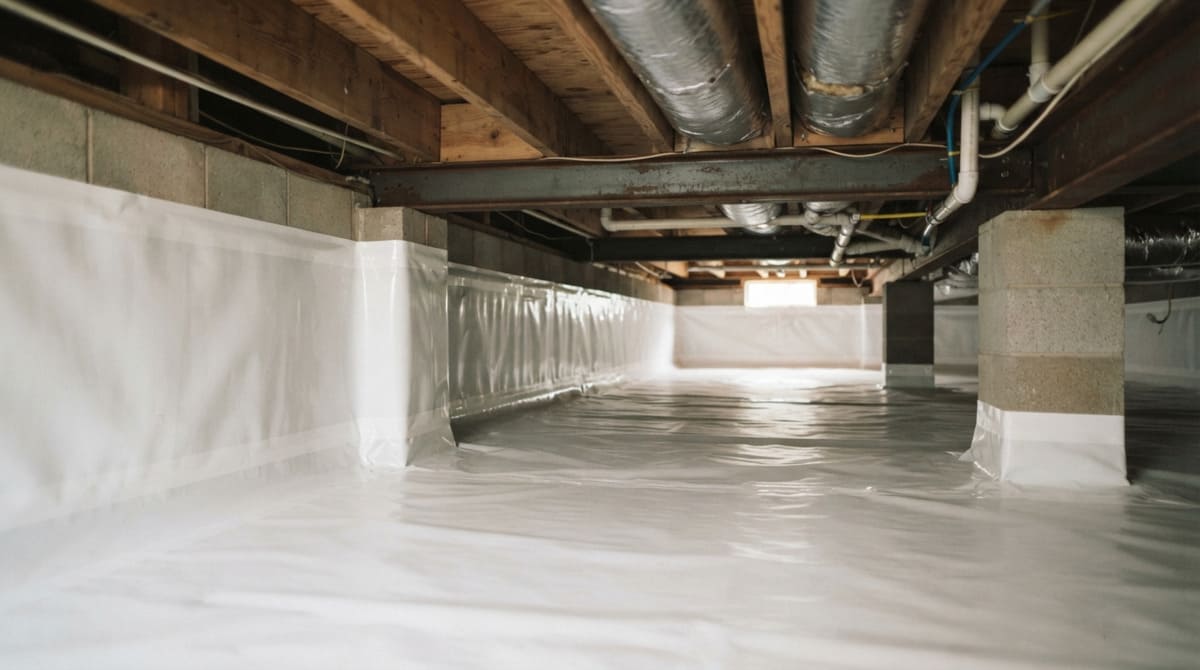
Frequently Asked Questions About Mobile Home Vapor Barrier Installation
How long does a mobile home vapor barrier last in North Carolina?
Quality vapor barriers can last for many years when properly installed and protected from damage. Life expectancy depends on the thickness of the material, the condition of the crawl space, and preservation.
Can I install a vapor barrier under my mobile home myself?
Yes, some homeowners do a complete DIY installation, but crawl spaces can be difficult to gain rights of entry. Proper calibration, sealing and material cooperation are critical for accurate results.
What thickness vapor barrier is best for a mobile home crawl space?
Many homeowners choose a thicker polyethylene barrier because it offers more resistance against tears and prolonged wear.
Does a vapor barrier stop all moisture problems?
No, a vapor barrier facilitates reducing moisture coming from the floor, but drainage, ventilation and leaks need additional attention if they are present.
How often should I inspect my mobile home vapor barrier?
Checking it a few times a year is a good habit, especially after heavy rainy seasons or storms.
A better vapor barrier is a small development that can make a huge difference in protecting a manufactured home. Controlling crawl space moisture is especially important for North Carolina homeowners due to humidity and seasonal weather changes.
If you are planning mobile home vapor barrier installation, pay attention to quality materials, proper preparation, and complete coverage.
A properly installed barrier will facilitate the creation of a cleaner, healthier, and more contained area under your home for years to come.